Outdoor Cooking Gadgets Perfect for Texas Barbecues and Camping
Texas outdoor cooking is built around long brisket sessions, open-flame camp meals, and tailgate setups that can handle heat, wind, and unpredictable weather. Whether you’re smoking meat in triple-digit temperatures or cooking dinner at a Hill Country campsite, the right gear makes a measurable difference.
From offset smokers and reliable charcoal systems to cast iron cookware and portable camp stoves, these tools perform well in Texas conditions.
Grills and Smokers Built for Texas Heat and Long Cooks
Texas barbecue often means cooking for 8–14 hours, especially when preparing brisket or pork shoulder. Durable construction and airflow control matter more than flashy features.
Quality offset smokers typically use heavy-gauge steel for better heat retention. While not all backyard models use ¼-inch steel throughout, thicker steel fireboxes and cooking chambers help stabilize temperatures during long cooks. Insulated fireboxes are especially useful in windy or cooler weather.
Cooking space varies widely by model. Rather than targeting a specific square-inch number, look for a layout that fits your typical volume—whether that’s one brisket for family or multiple racks of ribs for gatherings.
Reliable thermometers are essential. Many pitmasters upgrade factory gauges with trusted brands such as Tel-Tru or use digital probe thermometers for more precise monitoring.
Counterweight lids, sturdy wheels, and accessible fireboxes reduce fatigue during extended sessions.
Wind Management for West Texas Cooking
Cooking outdoors in West Texas presents a unique challenge: persistent wind. Areas near El Paso, Midland-Odessa, and the Panhandle frequently experience steady gusts that can disrupt airflow and temperature control in smokers and grills.
To stabilize your cook:
- Position your smoker with the firebox intake vent facing away from prevailing wind.
- Use natural windbreaks such as vehicles, walls, or portable grill shields.
- Avoid placing grills directly in enclosed spaces for safety—ventilation remains critical.
- Consider insulated fireboxes or gasket-sealed lids to reduce temperature swings.
Wind can cause temperature spikes by forcing excess oxygen into the firebox, so more frequent vent adjustments may be necessary during blustery conditions.
Fuel Options and Temperature Control for All-Day Smoking
Consistent temperature control is the backbone of Texas barbecue. Most offset smokers rely on lump charcoal or briquettes to build a coal base, with hardwood splits—such as post oak, pecan, or hickory—used for flavor.
Airflow control is managed through intake and exhaust vents. While every smoker behaves differently, these general principles apply:
- Keep the exhaust vent mostly open to maintain clean smoke flow.
- Adjust intake vents to regulate temperature.
- Preheat the cooking chamber for 10–15 minutes before adding meat.
Rather than focusing strictly on Celsius ranges, most Texas pitmasters target 225–275°F for brisket and ribs.
A charcoal chimney starter remains one of the most reliable tools for consistent ignition without lighter fluid.
Choosing the Right Texas Wood
The type of wood used in Texas barbecue significantly affects flavor.
Post Oak
- The traditional Central Texas choice.
- Produces clean, medium smoke flavor.
- Ideal for brisket and beef ribs.
Mesquite
- Strong, bold smoke flavor.
- Burns hot and fast.
- Best used in moderation or blended with milder woods.
Pecan
- Slightly sweet and milder than mesquite.
- Popular for poultry and pork.
Seasoned, dry hardwood splits burn cleaner and reduce bitter smoke. Always avoid treated or chemically processed wood.
Pellet Smokers vs. Traditional Offset Smokers
Texas barbecue culture is closely tied to offset smokers, but pellet grills have become increasingly popular for convenience.
Traditional Offset Smokers
- Use charcoal and hardwood splits (often post oak).
- Require manual fire management and airflow control.
- Produce strong smoke flavor and classic bark formation.
- Ideal for experienced pitmasters who enjoy hands-on cooking.
Pellet Smokers
- Use compressed wood pellets fed automatically into a burn chamber.
- Offer digital temperature control for set-and-forget convenience.
- Produce milder smoke flavor compared to stick burners.
- Suitable for beginners or cooks prioritizing consistency and ease.
While offset smokers remain central to traditional Texas brisket culture, pellet grills provide a practical alternative for backyard cooks managing busy schedules.
Cast Iron Cookware for Campfire and Backyard Cooking
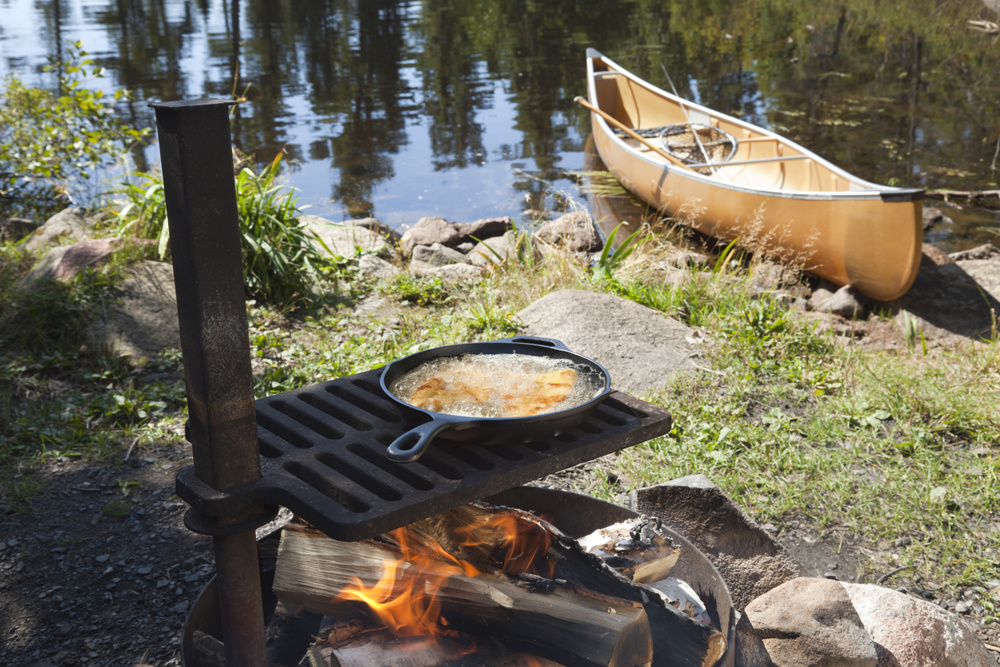
Cast iron skillets and Dutch ovens are staples of Texas outdoor cooking. They withstand open flames, retain heat evenly, and transition seamlessly from campfire to grill to stovetop.
Benefits include:
- Superior heat retention
- Naturally seasoned non-stick surface (when maintained properly)
- Durability that lasts decades
Cast iron is ideal for cornbread, fajitas, cobblers, and reverse-seared steaks. Proper care—drying thoroughly and lightly oiling after use—prevents rust and extends lifespan.
Portable Cooking Gear for Texas Camping and Tailgating
Texas camping environments range from humid Gulf Coast parks to dry West Texas deserts. Portable cooking systems should balance durability and weight.
Popular options include:
- Two-burner propane camp stoves for family meals
- Compact backpacking stoves for minimalist trips
- Nesting cookware sets to conserve space
Many modern camp stoves boil water in 2–4 minutes under ideal conditions, though wind and elevation affect performance.
For tailgating, compact propane grills or flat-top griddles are popular for cooking tacos, burgers, and breakfast plates. Always follow venue safety regulations when cooking in parking areas.
Outdoor Sinks, Lighting, and Shade for Summer Cooking
Summer temperatures in Texas frequently exceed 95°F, making shade and hydration essential.
A sturdy 10x10-foot canopy or pop-up shade structure creates safer cooking conditions. UV-resistant fabric and secure anchoring help prevent collapse during sudden gusts.
LED lanterns and battery-powered string lights improve visibility for evening cooks. Keep lighting positioned away from direct heat sources.
Portable handwashing stations—such as gravity-fed water containers with spigots—help maintain sanitation during food prep. In buggy environments, mesh sidewalls or mosquito netting improve comfort.