Preparing San Antonio-Style Meals Using High-Tech Kitchen Tools
San Antonio’s culinary identity blends Tex-Mex traditions, South Texas ranch cooking, and Central Texas barbecue influences. While many of these dishes are rooted in slow, traditional methods, modern kitchen tools can streamline preparation without sacrificing flavor. From chili con carne and barbacoa to queso and brisket, today’s high-tech appliances—pressure cookers, sous vide machines, pellet smokers, and high-powered blenders—make it easier to replicate restaurant-style results at home. Below, you’ll find practical techniques for adapting classic San Antonio-style meals using modern equipment.
Local Restaurant Inspirations
Many San Antonio home cooks draw inspiration from beloved local institutions that helped define the city’s food identity. Ray’s Drive Inn, credited with popularizing the puffy taco in the 1950s, remains a landmark for crisp-yet-tender fried masa shells filled with seasoned beef, lettuce, and cheese. Recreating this at home with an air fryer or controlled deep-frying setup offers a modern interpretation of a classic. Mi Tierra Café y Panadería, established in 1941 in Historic Market Square, is known for traditional Tex-Mex plates, house-made tortillas, vibrant salsas, and festive presentation. Its approach highlights bold chile sauces, slow-cooked meats, and fresh garnishes—elements that translate well to pressure cooking, slow cooking, and high-powered blending techniques. Using modern tools does not replace tradition—it makes it more accessible in everyday kitchens.
Pressure Cookers for San Antonio-Style Chili Con Carne
View this post on Instagram
San Antonio-style chili is traditionally made without beans, focusing on beef, chiles, and spices. Long stovetop simmering develops flavor, but a pressure cooker can significantly reduce cook time while preserving depth. After browning beef (preferably chuck rather than ground beef for authenticity) using the sauté function, add dried chile puree, garlic, cumin, and beef broth. Cooking under high pressure for approximately 30–35 minutes, followed by natural release, yields tender meat and developed flavor. Pressure cooking does not eliminate the need for proper browning—caramelization before sealing remains essential for building richness.
Understanding Dried Chiles in San Antonio Cooking
View this post on Instagram
Dried chiles form the backbone of many San Antonio-style sauces and stews. Knowing their differences helps you build authentic flavor. Guajillo Bright red and moderately spicy, guajillos deliver tangy, slightly fruity notes. Common in chili con carne and barbacoa sauces. Ancho Dried poblano peppers with mild heat and deep, raisin-like sweetness. Ancho adds body and subtle smokiness to mole and chili. Pasilla (Chile Negro) Dark and wrinkled, pasillas offer earthy, slightly bitter notes with medium heat. Often used in mole and complex sauces. Blending guajillo for brightness, ancho for sweetness, and pasilla for depth creates layered, restaurant-style sauces.
Sous Vide for Tender Barbacoa
View this post on Instagram
Barbacoa in South Texas is traditionally slow-cooked until shreddable. While pit-style preparation remains traditional, sous vide offers temperature precision. Season beef cheek or chuck roast with garlic, cumin, oregano, and chile paste. Seal and cook at:
- 155–165°F for 18–24 hours for shreddable texture
- Higher temperatures (around 175°F) for shorter durations if needed
After sous vide cooking, finish under a broiler or in a hot skillet to develop exterior texture before shredding. This technique ensures consistent tenderness without overcooking.
High-Powered Blenders for Salsa and Mole
View this post on Instagram
San Antonio kitchens rely heavily on fresh salsa. High-powered blenders create smooth textures quickly but should be pulsed carefully to avoid over-processing. For roasted salsa:
- Roast tomatoes, onion, garlic, and chiles first
- Blend briefly for a slightly textured consistency
For mole-style sauces:
- Blend toasted chiles, nuts, seeds, spices, and broth in batches
- Allow hot ingredients to cool slightly before blending
- Vent lids carefully to prevent steam buildup
Restaurant-quality salsa often improves after chilling for at least one hour before serving.
Smart Smokers for Brisket and Carnitas
While brisket is more strongly associated with Central Texas barbecue, it is widely enjoyed in San Antonio. Smart pellet smokers automate temperature control, making it easier to maintain consistent heat over long cooks. For brisket:
- Cook at approximately 225–250°F
- Target internal temperature of 195–205°F for proper tenderness
For carnitas, slow-smoked pork shoulder can be finished in a hot oven or skillet to create crisp edges. Pellet choice—such as mesquite, oak, or hickory—significantly influences flavor profile.
Air Fryers for Puffy Tacos and Crispy Elements
View this post on Instagram
The iconic San Antonio puffy taco, popularized by Ray’s Drive Inn and Henry’s Puffy Tacos, is traditionally deep-fried. Air fryers can approximate crispness with less oil, though texture will differ slightly from authentic deep frying. Cook prepared masa shells at 375–400°F for several minutes, flipping once if needed. Proper hydration of the masa is crucial for puffing. Air fryers are also useful for reheating carnitas or crisping tortilla strips for taco salads.
Precision Temperature Control for Queso
Smooth queso depends on gentle, consistent heat. Overheating causes separation. Use a digital thermometer to maintain cheese mixtures between approximately 140–160°F, depending on the cheese blend. Processed melting cheeses (like American cheese) create smoother textures, while natural cheeses require gradual heating and added stabilizers such as evaporated milk. Low, steady heat prevents graininess and oil separation.
Food Processors for Fresh Masa and Tortillas
Traditional masa is stone-ground, but a food processor can assist when using masa harina. Combine masa harina, warm water, and salt until dough forms. Rest for 20–30 minutes before pressing. The processor helps evenly incorporate water but should not overwork the dough. If using nixtamalized corn (less common in home kitchens), batch processing may be required depending on machine size.
Slow Cookers for Pozole and Menudo
View this post on Instagram
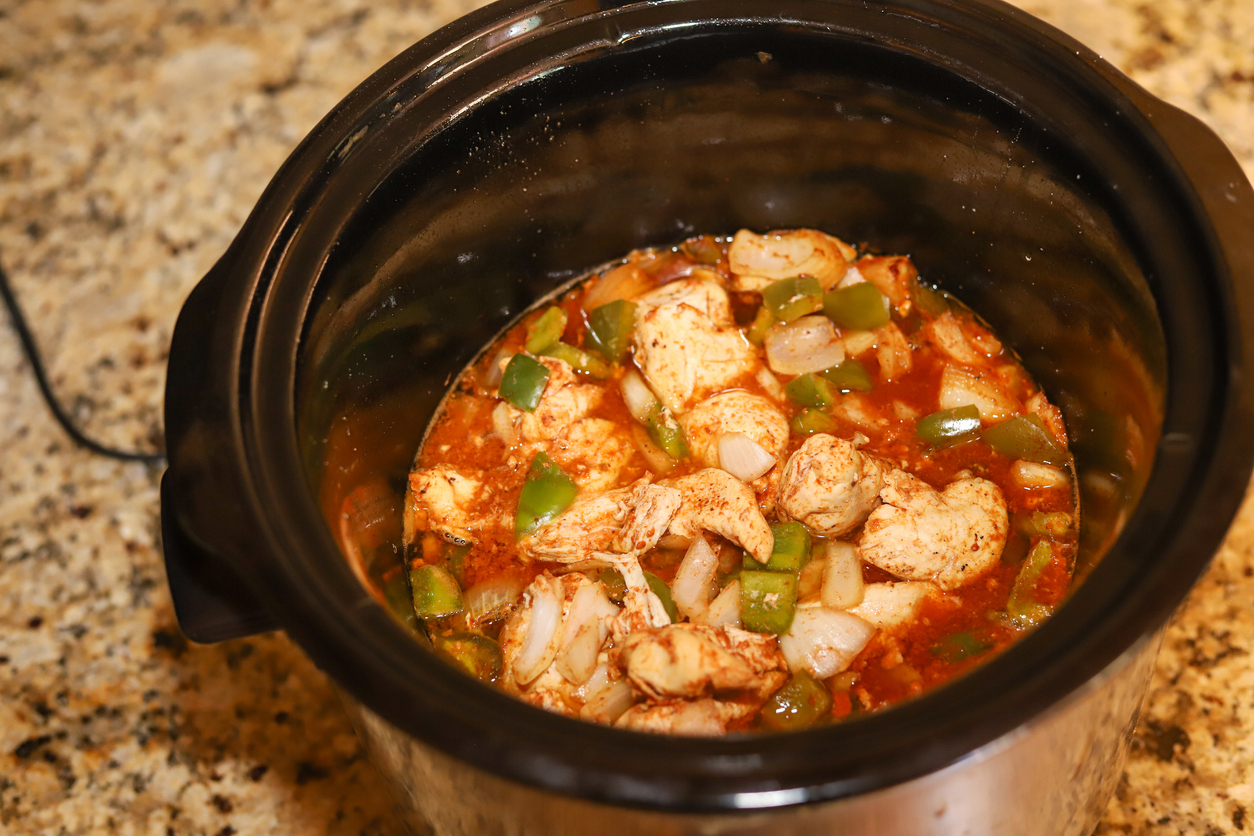
Slow cookers are well suited for dishes like pozole and menudo, which traditionally simmer for hours. For pozole:
- Brown pork shoulder first
- Add hominy, broth, and chile puree
- Cook on low for 6–8 hours or high for 3–4 hours
For menudo (tripe soup), slow cooking helps tenderize tripe gradually while allowing broth to develop flavor. Garnish with lime, oregano, onion, and cabbage before serving.
San Antonio vs. Austin vs. South Texas Flavors
While Texas cuisines overlap, regional distinctions matter. San Antonio Strong Tex-Mex roots. Puffy tacos, chili without beans, flour tortillas, and melted queso dominate. Dried chile sauces and slow-cooked meats are common. Austin (Central Texas) More strongly associated with Central Texas barbecue traditions—brisket, smoked sausage, and dry rubs. Tex-Mex exists, but barbecue culture is more prominent. South Texas (Rio Grande Valley) Influenced heavily by Mexican border cuisine. Barbacoa, carne guisada, menudo, and fresh corn tortillas are central. Flavors may lean more toward traditional Mexican preparations than Tex-Mex adaptations. Understanding these differences helps home cooks choose seasoning approaches that align specifically with San Antonio style.
Beverage Pairings That Complement San Antonio Cuisine
Traditional beverages elevate the meal experience. Agua Fresca Light fruit-based drinks such as watermelon, pineapple, or hibiscus (jamaica). Ideal for balancing spicy dishes. Horchata A chilled rice-and-cinnamon beverage that complements bold chile flavors. Margaritas Classic lime margaritas pair well with Tex-Mex plates. For family-friendly gatherings, non-alcoholic lime agua fresca offers a similar citrus balance. Mexican Sodas Glass-bottled sodas made with cane sugar are popular additions to Tex-Mex meals. Refreshing beverages balance heat from dried chiles and rich meats. Coordinating Multiple Kitchen Tools for Complete Meals High-tech cooking becomes most efficient when tools work together. For example:
- Pressure cook chili while blending fresh salsa
- Sous vide barbacoa while preparing tortillas in advance
- Smoke brisket overnight while assembling sides in a food processor
Modern appliances reduce active cooking time, but traditional seasoning techniques remain essential to authentic flavor. San Antonio-style cooking balances heritage methods with practical efficiency—technology simply shortens the path to the same bold results.