Kitchen Tech Trends in Homes Across the DFW Metroplex
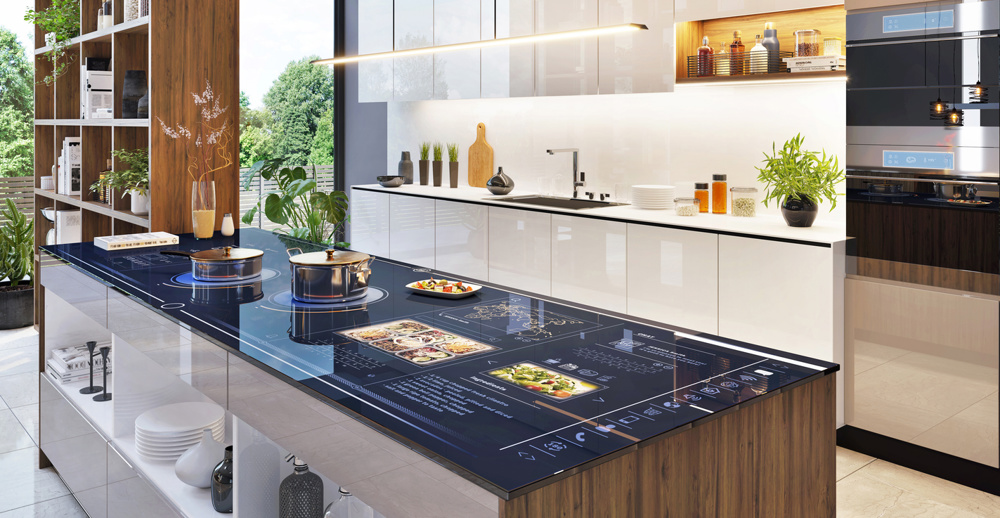
Kitchens across the Dallas–Fort Worth Metroplex are increasingly blending technology, energy efficiency, and design. From induction cooktops to smart refrigerators and voice-enabled fixtures, homeowners are prioritizing appliances that improve convenience while managing Texas utility costs.
Rather than futuristic gimmicks, today’s kitchen tech trends focus on efficiency, automation, and seamless integration with broader smart-home systems.
Regional Design Preferences Shaping Smart Kitchen Choices
Kitchen technology in DFW isn’t adopted in a vacuum—it reflects broader regional design trends.
In suburban communities such as Frisco, Prosper, and Southlake, modern farmhouse design remains popular. These kitchens often pair smart induction cooktops and hidden smart appliances with shaker cabinetry, oversized islands, and matte black or brushed brass hardware. Panel-ready refrigerators and dishwashers are commonly used to preserve a cohesive aesthetic.
In urban neighborhoods like Uptown Dallas and Victory Park, contemporary and luxury high-rise condo kitchens emphasize sleek finishes, waterfall-edge quartz countertops, integrated lighting, and European-style cabinetry. Compact but high-end appliances with smart integration are favored in these spaces.
In Fort Worth and parts of Tarrant County, transitional styles blending traditional warmth with modern convenience remain common. Here, homeowners often upgrade appliances while maintaining classic cabinetry and open-concept layouts.
These design preferences influence which smart technologies gain traction in different parts of the metroplex.
Smart Cooktops and Digital Controls for Modern Texas Kitchens
Smart cooktops—particularly induction models—are gaining popularity in DFW homes due to their precision and energy efficiency. Induction technology heats cookware directly through electromagnetic fields, which typically results in faster heat response and reduced energy loss compared to traditional electric cooktops.
While exact savings vary by model and usage, induction cooking is widely recognized as more energy-efficient than conventional electric resistance heating.
Many newer models feature:
- Digital touch controls
- Temperature precision settings
- Safety auto shut-off features
- Smart-home integration with platforms like Google Home, Amazon Alexa, and SmartThings
Remote preheating is generally limited by safety regulations, but some models allow monitoring and notifications via mobile apps.
For Texas homeowners facing high summer electric demand, efficient cooking appliances can contribute to overall energy management.
Builder Trends in New North Texas Developments
Large-scale residential growth across North Texas has influenced kitchen technology adoption. New master-planned communities in Frisco, Celina, McKinney, and Prosper increasingly offer smart-ready kitchens as part of standard or upgrade packages.
National and regional builders commonly include:
- Pre-wired smart home hubs
- Wi-Fi–enabled ovens and ranges
- App-connected refrigerators
- Under-cabinet LED lighting
- USB and integrated charging outlets
Luxury developments and custom home builds often incorporate panel-ready appliances, smart steam ovens, and advanced ventilation systems.
As more new homes enter the market with baseline connectivity, smart kitchen upgrades are becoming less of a novelty and more of an expected feature.
To align your kitchen remodel timing with local events and DFW home expos, consult the DFW 2026 comprehensive regional calendar for seasonal home shows and design expos.
Smart Refrigerators That Monitor Freshness and Reduce Food Waste
Smart refrigerators have evolved beyond touchscreens. Many models now include internal cameras, inventory tracking, and app connectivity that allows homeowners to check contents remotely.
However, claims such as “tracking 37 fresh items automatically” vary by manufacturer and are not universal. Instead, most systems rely on manual tagging, barcode scanning, or AI-assisted image recognition with limitations.
Key features available in select models include:
- Internal cameras accessible via smartphone
- Temperature and humidity monitoring
- Door-open alerts
- Energy usage tracking
- Recipe suggestions based on visible ingredients
These features can support meal planning and reduce food waste, particularly in larger households.
Voice-Activated Faucets and Touchless Kitchen Controls
Touchless faucets have become more common in DFW homes, particularly since 2020. These systems use motion sensors and, in higher-end models, voice activation through Amazon Alexa or Google Assistant.
While exact market share percentages vary by source and region, touchless kitchen faucets have seen steady adoption due to:
- Hygiene benefits
- Water conservation features
- Precise volume dispensing
- Temperature presets
Some models allow users to request exact measurements (for example, “dispense one cup of water”), which improves cooking accuracy.
Many of these fixtures also meet EPA WaterSense efficiency standards.
Energy-Efficient Smart Appliances That Lower Utility Costs
Energy efficiency remains a central driver in DFW kitchen upgrades. Texas homeowners often look for ENERGY STAR–certified appliances to help reduce long-term operating costs.
Examples of widely available smart efficiency features include:
- Dishwashers with soil sensors that adjust water use
- Refrigerators with adaptive defrost cycles
- Heat pump dryers that use lower temperatures
- Induction cooktops with fast, direct heating
While specific annual kWh figures vary by model and household use, ENERGY STAR appliances are independently certified to meet federal efficiency guidelines.
Smart appliance apps—such as LG ThinQ and Samsung SmartThings—allow homeowners to monitor cycles, receive maintenance alerts, and schedule usage during off-peak utility hours where applicable.
Local Energy Considerations: ERCOT and Summer Usage
North Texas homeowners operate within the ERCOT (Electric Reliability Council of Texas) grid, which manages most of the state’s electricity supply.
During peak summer months—particularly July and August—electricity demand can surge due to air conditioning use. While most residential customers are on fixed-rate plans, some households participate in time-of-use or variable-rate pricing structures.
Smart appliances can help manage consumption by:
- Scheduling dishwasher or laundry cycles during off-peak hours
- Monitoring real-time usage through connected apps
- Reducing standby power draw
Induction cooking, efficient ventilation, and LED lighting all contribute incrementally to lowering household electricity demand during high-use periods.
While kitchen appliances are not the largest energy draw compared to HVAC systems, efficiency upgrades can complement broader home energy strategies.
Auto-Adjusting Range Hoods and Adaptive Kitchen Lighting
Modern range hoods now include heat and smoke sensors that automatically adjust fan speeds based on cooking activity. This eliminates the need to manually change ventilation levels and helps reduce energy waste.
In open-concept DFW homes, quieter and more responsive ventilation is especially valued.
Smart lighting systems complement these upgrades by offering:
- Motion activation
- Dimmable task and ambient presets
- Time-of-day automation
- Integration with broader home systems
Lighting automation can improve comfort while reducing unnecessary electricity use during peak-rate hours.
Connected Kitchen Hubs That Unify Smart Devices
As more appliances connect to Wi-Fi, homeowners increasingly rely on centralized hubs or ecosystems to avoid managing multiple apps.
Platforms such as:
- Amazon Alexa
- Google Home
- Apple HomeKit
- Samsung SmartThings
allow users to coordinate appliances, lighting, and even thermostats within a single interface.
The introduction of the Matter smart home protocol improves cross-brand compatibility, helping reduce integration challenges.
While growth projections for the global smart kitchen market vary by analyst, industry reports consistently show strong year-over-year expansion as connected home adoption increases.
For DFW homeowners, the appeal lies in convenience and incremental efficiency—not novelty alone.
What Smart Kitchen Upgrades Cost in DFW Remodels
Costs for smart kitchen upgrades vary depending on the scale of renovation and appliance tier.
In the DFW area, homeowners can expect approximate ranges such as:
- Smart induction cooktop: $1,200–$3,500+
- Smart refrigerator: $2,000–$4,500+
- Touchless faucet: $300–$900
- Smart wall oven: $2,000–$5,000+
- Full kitchen remodel with smart appliance suite: Often $25,000–$75,000+ depending on layout, cabinetry, and finishes
Custom builds or luxury high-rise remodels can exceed these figures significantly.
Installation costs, electrical upgrades, and cabinetry modifications may add to the total.
Budget-conscious homeowners often phase upgrades, starting with one or two high-impact appliances rather than replacing the entire suite at once.
Appliance Showrooms and Retail Experiences in DFW
DFW homeowners have access to several appliance retailers and interactive showrooms where they can experience smart kitchen technology firsthand.
Regional and national retailers with metroplex presence include:
- Nebraska Furniture Mart (The Colony) – Large appliance selection and live kitchen displays
- Ferguson Bath, Kitchen & Lighting Gallery (multiple locations) – Design-focused showroom experiences
- Star Power (Dallas & Southlake) – Premium appliance brands and smart home demonstrations
- Home Depot and Lowe’s – Broad appliance selections with installation services
High-end appliance brands often maintain display kitchens within these showrooms, allowing homeowners to test touchscreen controls, smart integrations, and finish options before committing.
Seeing appliances in action can clarify which features feel useful versus purely technological.