How Texans Are Cooking with Smart Kitchen Gadgets
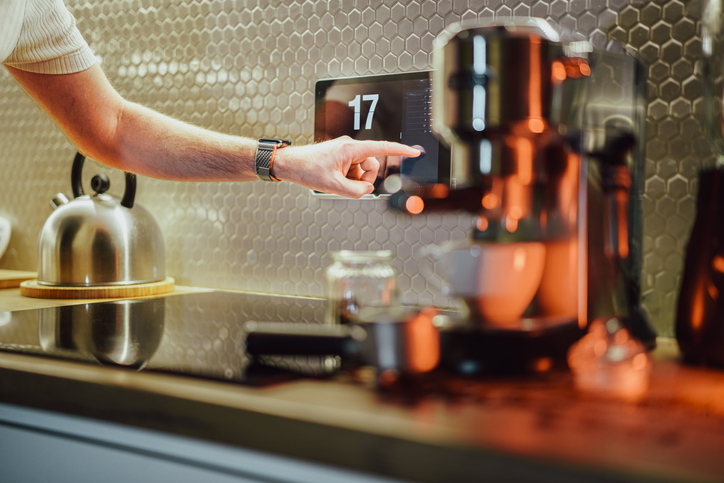
Texans are reshaping their cooking experience with smart kitchen gadgets. You'll find voice-controlled appliances and touchless features in many modern Texas homes, allowing for hands-free operation while juggling multiple tasks. Smart control hubs let you manage everything from your refrigerator to your coffee maker through a single interface. AI-powered systems learn your preferences, suggesting recipes based on available ingredients and helping reduce food waste. The energy-efficiency benefits might surprise you.
The Rise of Smart Control Hubs in Texas Kitchens
While the entire smart home market has grown nationwide, Texas homeowners have specifically embraced smart kitchen technology with remarkable enthusiasm. You'll find that centralized appliance monitoring systems have become essential in managing the busy households common throughout the state. These smart control hubs allow you to manage everything—from your refrigerator to your oven—through a single smartphone interface. The integration of multiple devices creates a more efficient kitchen that aligns perfectly with Texas's family-centered lifestyle. Many Texans appreciate how their voice assistants can control multiple kitchen appliances hands-free during meal preparation. Hub integrated water conservation features are particularly valuable in drought-prone Texas regions, where motion-sensor faucets and water usage tracking help you maintain sustainable practices. As energy costs rise during scorching Texas summers, these hubs optimize appliance scheduling to off-peak hours, potentially reducing your utility bills.
Texan Home Chefs Embracing Voice-Controlled Cooking
Three key factors are driving the voice-controlled cooking revolution across Texas homes. First, you'll find hygiene considerations at the forefront, as voice commands eliminate the need to touch devices with messy hands. Second, demographic trends show accessibility benefits for elderly and disabled Texans who find traditional controls challenging. Third, the multitasking advantage appeals to busy households juggling family responsibilities. You're part of a growing movement, with voice-controlled kitchen technology expected to expand steadily through the next decade. Your smart kitchen likely integrates IoT-connected appliances responding to verbal commands for temperature adjustments, timers, and recipe guidance. This trend is aligned with the broader expansion of connected home devices as more Texans upgrade kitchens and appliances. The appeal crosses urban Texas homes where smart ovens, coffee makers, and pressure cookers with voice activation are becoming standard features in modern kitchens.
How AI Learning Systems Are Transforming Meal Preparation
As Texas kitchens evolve beyond simple voice commands, AI learning systems now serve as virtual sous chefs that transform how you approach meal preparation. Personalized meal planning software adapts to your dietary preferences, pantry contents, and health goals, creating custom menus that evolve with your feedback. These intelligent systems offer:
- Real-time recipe optimization based on ingredient availability and seasonal Texas produce
- Automated cooking assistance that monitors temperature and timing for consistent results
- Predictive menu planning that reduces food waste by suggesting meals using what you already have
- Continuous learning that improves recommendations based on your feedback and preferences
You'll spend less time planning and more time enjoying meals as these AI systems handle the complex calculations behind nutritional balance and flavor combinations. The technology market for these solutions is expanding rapidly, with personalized nutrition and smart cooking tools improving year after year as new features roll out.
Popular Smart Integration Platforms Among Texas Homeowners
Texas homeowners have embraced a diverse ecosystem of smart integration platforms that seamlessly connect their kitchen gadgets into cohesive systems. You'll find Amazon Alexa and Google Assistant dominating kitchens statewide, while Apple HomeKit appeals if you're prioritizing smart home privacy concerns over cloud dependence, especially in areas like West Lake Hills. Samsung SmartThings offers versatile compatibility for your existing kitchen, allowing modular installation that addresses common smart home networking challenges. The integration of these platforms enables hands-free operation with voice-activated controls for greater convenience during meal preparation. Many Texans use platform-agnostic smart plugs to make traditional appliances controllable through any assistant. When selecting your platform, consider whether you value remote operation from anywhere in Texas, voice activation for hands-free cooking, or automation that optimizes energy use during off-peak hours. Local control options increasingly matter to privacy-conscious homeowners who prefer keeping their cooking data offline.
Energy Efficiency Benefits Driving Adoption in the Lone Star State
Energy efficiency has emerged as a primary driver for smart kitchen technology adoption across the Lone Star State. You'll save on utility bills while reducing your environmental footprint through energy efficient appliance integration. Understanding the kilowatt-hour usage of each appliance helps Texas homeowners make informed decisions about which smart kitchen gadgets to invest in. Texas homeowners are embracing sustainable cooking practices with technologies that combat the state's unique climate challenges:
- Smart thermostats can reduce heating and cooling costs in many homes—vital during scorching Texas summers
- ENERGY STAR appliances reduce monthly bills while supporting statewide sustainability goals
- Induction cooktops use less energy by directly heating cookware through magnetic technology
- Smart water fixtures can decrease consumption, addressing drought concerns while lowering energy needed for water heating
Time-Saving Kitchen Technology for Busy Texas Families
Beyond saving energy and money, today's smart kitchen innovations offer something equally valuable to Texas families—time. You'll find voice-enabled recipe tutorials guiding you through meals while your hands stay busy chopping or mixing. Smart air fryers with preset modes cut cooking times dramatically, while connected ovens recognize food types and adjust temperatures automatically. IoT appliances communicate with each other, coordinating multiple cooking steps simultaneously so you can focus elsewhere. With smart grocery management through refrigerators that track inventory via interior cameras, you'll spend less time checking supplies and more time with family. Millennials and young Texas families are driving this trend, embracing technology that transforms kitchen workflows. Whether you're preheating your oven remotely or letting AI adjust cooking settings based on your habits, these smart solutions redefine efficiency for busy households. In Houston, many homeowners are prioritizing kitchen remodeling projects that incorporate touchless solutions as a direct response to post-pandemic concerns about hygiene and convenience.
Restaurant Industry Applications Changing Commercial Cooking
While smart kitchen technology transforms homes across the Lone Star State, it's revolutionizing commercial kitchens at an even more impressive scale. Texas restaurants are adopting IoT-enabled appliances and automated systems that support consistent food preparation while reducing labor strain. With the commercial kitchen equipment market valued in the tens of billions and climbing steadily, you'll find these innovations changing how restaurants operate:
- Smart refrigeration systems that enable streamlined inventory management and prevent food waste
- Energy-efficient induction cooking that reduces utility costs and emissions
- Data analytics platforms that support sustainable menu planning based on seasonal availability
- Waste tracking systems with real-time monitoring to measure sustainability goals
These technologies aren't just convenient—they're becoming essential for restaurants looking to improve efficiency while meeting growing consumer demands for environmentally responsible dining. The trend toward modular kitchen designs is allowing Texas restaurants to quickly reconfigure their spaces and maximize operational flexibility without costly renovations.
Smart Kitchen Investment Returns for Texas Households
Smart kitchen technology isn't just changing how Texans cook—it's transforming their home values too. When conducting a cost benefit analysis, consider that kitchen updates often deliver strong resale returns, especially when incorporating energy-efficient appliances and durable, modern materials. Your investment in smart kitchen technology can influence home values, especially when upgrades improve efficiency and everyday convenience. Smart refrigerators with built-in screens to display recipes and stream cooking videos offer both convenience and modern appeal. While platform costs vary—from affordable DIY smart ecosystems to premium custom-installed systems—the right selection depends on your specific needs and budget.