
Houston-Based Food Tech and Innovative Kitchen Ideas
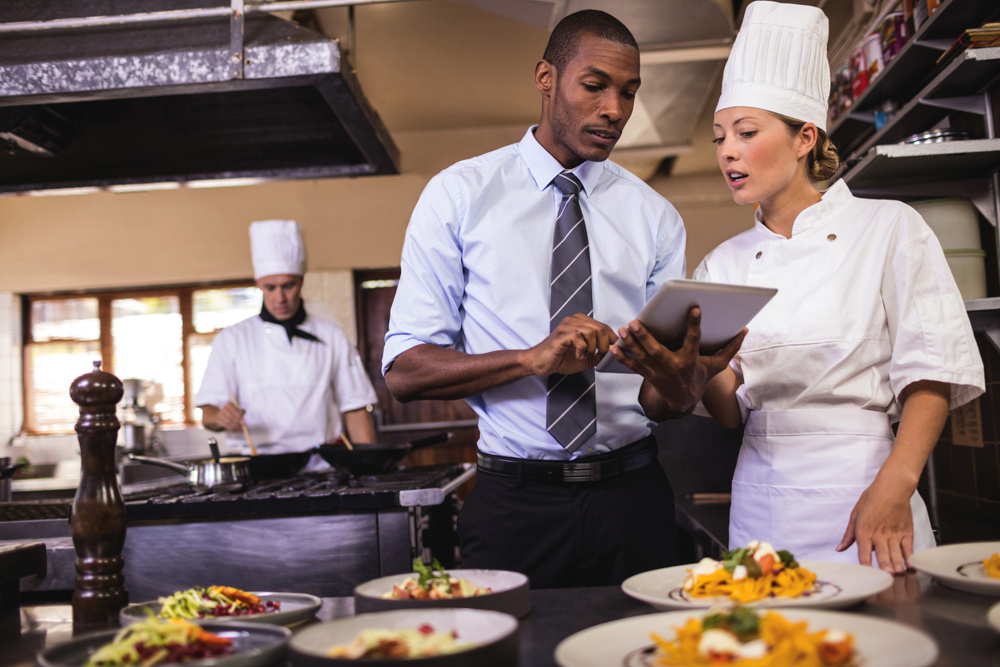
Houston’s reputation as an energy and medical hub often overshadows another growing strength: food innovation. From restaurant technology platforms to consumer packaged goods (CPG) brands and alternative production models, the city supports entrepreneurs experimenting with smarter kitchens, digital ordering systems, and scalable food concepts.
While Houston is home to a broad startup ecosystem spanning energy, health, logistics, and aerospace, food tech in the region tends to intersect with hospitality operations, CPG manufacturing, and digital ordering infrastructure rather than forming a single, formally tracked cluster. Still, the city’s size, diversity, and restaurant density make it a strong testing ground for new ideas.
Houston’s Startup Ecosystem and Food Innovation
Houston has more than 7 million residents in the greater metro area and ranks among the largest metropolitan economies in the United States. The region supports thousands of startups across industries, with capital flowing heavily into energy transition, life sciences, and digital infrastructure.
Food technology in Houston is often embedded within:
• Restaurant software and POS integrations
• Food manufacturing and CPG brands
• Agtech and controlled-environment agriculture
• Delivery infrastructure and ghost kitchens
Houston’s food innovation landscape is distributed across hospitality, logistics, and manufacturing sectors. The city’s restaurant count—estimated at over 10,000 food service establishments across the metro—creates significant demand for operational efficiency and tech adoption.
Port of Houston Logistics: Cold Chain Capacity That Supports Food Brands
Houston’s food economy is tightly connected to logistics, and the Port of Houston is a major reason the region can move ingredients and finished products efficiently. For food businesses, one of the most important developments has been growth in temperature-controlled warehousing and cold-chain services near port terminals.
Port Houston has highlighted new cold-chain warehousing in the area designed to handle frozen and fresh commodities—supporting import/export movement of meat, seafood, and produce through refrigerated docks and storage.
Regional cold storage investment has also accelerated. For example, Americold has invested in a large Houston-area cold storage facility in Baytown’s Cedar Port Industrial Park, reflecting demand for high-throughput refrigerated capacity serving grocery and perishable supply chains.
For Houston-based food founders, this logistics advantage can reduce friction when scaling from local distribution to regional—or even international—channels.
AI and Technology Reducing Food Waste in Houston Kitchens
Food waste reduction is increasingly supported by smart kitchen technology. While platforms like Winnow are global systems used in luxury hotels and institutional kitchens, including some high-end properties in major U.S. cities, their impact illustrates what Houston operators can adopt.
AI-powered food waste monitoring systems use cameras and scales to track discarded food, helping kitchens:
• Identify overproduction patterns
• Adjust purchasing forecasts
• Improve prep planning
• Reduce landfill waste
Large hospitality groups and hotel kitchens in Houston have adopted digital inventory systems and waste tracking tools, though usage varies by operator. The broader trend reflects growing pressure to cut costs while improving sustainability.
Nonprofits such as Second Servings of Houston also play a major role by rescuing surplus food from restaurants and distributors and redirecting it to hunger relief organizations, blending logistics with social impact innovation.
Texas Medical Center: Where Nutrition Research Meets Food Innovation
Houston’s food innovation story also runs through the Texas Medical Center (TMC), where clinical research, public health programs, and nutrition science influence how the city thinks about food.
Within TMC, the USDA/ARS Children’s Nutrition Research Center (hosted at Baylor College of Medicine) conducts basic and clinical research focused on childhood nutrition and metabolic health—work that can influence product formulation, dietary guidance, and nutrition-focused programs across the region.
UTHealth’s School of Public Health also operates the Nourish program in the Texas Medical Center, positioning itself as a training and education hub focused on nutrition and prevention—an example of how research institutions shape food systems beyond restaurants and retail.
For founders and operators, this ecosystem matters because health-driven food concepts—like medically tailored meals, better-for-you CPG, and nutrition-forward restaurant menus—often benefit from proximity to a major research and healthcare corridor.
Houston Food Manufacturing and CPG Growth
Houston’s food innovation is highly visible in the consumer packaged goods (CPG) space. Brands rooted in cultural cuisine and direct-to-consumer models have scaled using e-commerce and strategic retail expansion.
Adun (formerly AllIDoIsCook) began as a food blog and evolved into a product-based brand offering West African–inspired sauces and meal kits. The company leveraged crowdfunding and direct-to-consumer sales before expanding retail ambitions.
Houston’s food manufacturing ecosystem benefits from:
• Proximity to the Port of Houston for distribution
• Access to co-packers and regional manufacturing facilities
• A culturally diverse consumer base
While highly technical yield claims like “90% production versus 15% traditional yield” are not broadly documented across Houston manufacturers, innovation often centers on supply chain efficiency, niche cultural products, and scalable packaging models.
Smart Agriculture Near Houston: Hydroponics and Controlled-Environment Growing
Food tech in Houston isn’t limited to restaurants and packaged goods—controlled-environment agriculture is part of the ecosystem too. One of the best-known examples is Moonflower Farms, which describes itself as Texas’ first indoor vertical farm (founded in 2016) and operates a 20,000-square-foot hydroponic greenhouse supporting year-round production while using significantly less water than conventional field farming.
Houston also has newer hydroponic growers like Verdegreens, which produces leafy greens and herbs locally and sells through subscriptions and direct ordering.
For restaurants, caterers, and CPG brands, this matters because hydroponics and greenhouse growing can shorten supply chains, reduce spoilage risk, and improve access to consistent local produce—especially during weather disruptions.
Digital Ordering Platforms Houston Restaurants Use
Digital ordering has become standard across Houston’s restaurant scene. National platforms such as Olo, Toast, and Square provide integrated POS systems, mobile ordering, and delivery management tools used by chains and independent operators alike.
Olo, for example, supports thousands of restaurant brands nationwide and processes millions of orders daily across its network. In Houston, multi-location brands often rely on similar platforms to unify:
• Online ordering
• Catering workflows
• Loyalty programs
• Guest data management
Houston restaurants typically combine these systems with third-party delivery apps such as Uber Eats and DoorDash to reach wider audiences.
Kitchen Robotics and Automation Showing Up in Houston
Automation in Houston’s restaurant scene is becoming more visible—not only through software, but also through robots and semi-automated cooking systems. In some Houston-area dining rooms, service robots are being tested to help staff deliver food and drinks during peak hours, reflecting a broader push to address labor constraints and improve throughput.
Houston has also begun to see restaurant concepts using robotic cooking equipment for consistency and speed. For example, the fast-casual concept iWok launched near the Texas Medical Center using robotic wok systems to automate much of the cooking process while human staff handle prep and guest support.
These systems aren’t replacing kitchens overnight, but they are shaping “innovative kitchen ideas” in real time—especially for menus built around repeatable, made-to-order workflows.
Houston’s Ghost Kitchen and Cloud Restaurant Models
Ghost kitchens—also called virtual kitchens or cloud kitchens—have expanded across Houston since 2020. These facilities allow food brands to operate without traditional dining rooms, reducing overhead costs and focusing entirely on delivery.
Companies such as CloudKitchens have operated facilities in major U.S. cities, including Houston. Independent restaurant groups have also launched delivery-only brands out of shared kitchen spaces.
While highly specific weekly delivery numbers vary by operator and are not publicly standardized, ghost kitchens generally offer:
• Lower rent compared to prime retail space
• Faster brand testing opportunities
• Flexible expansion without full storefront buildout
Houston’s population growth and strong delivery demand make it a favorable environment for this model, particularly in densely populated areas like Midtown, Downtown, and Westchase.
Shared Commercial Kitchens in Houston for Food Founders
Houston’s food tech growth is also supported by commissary kitchens and shared commercial spaces that lower the barrier to entry for caterers, bakers, meal-prep brands, and packaged goods companies.
A few established options include Kitchen 205 (a large shared commercial kitchen with scheduled access and storage) and CBG Shared Kitchen Rental, a co-working style kitchen for professional food businesses.
Newer entrants are expanding the market as well. PREP Kitchens launched a Houston location offering commercial kitchen rentals designed for scaling food businesses. And operators who want flexible shared space can also explore options like Wingman Kitchens in Houston.
For many brands, these kitchens function as the “infrastructure layer” that makes innovation possible—providing licensed facilities, cold storage, and scalable production space without requiring a full build-out.
Energy-Efficient Kitchen Design Ideas Houston Operators Are Using
In a hot, humid city like Houston, kitchen design decisions can significantly affect operating costs. More operators are adopting energy- and airflow-efficient approaches that reduce wasted ventilation and improve comfort on the line.
One increasingly common strategy is demand-controlled kitchen ventilation (DCKV), which adjusts exhaust and make-up air based on real-time cooking activity—so systems don’t run at full speed when the line is idle. National efficiency guidance notes that DCKV can reduce energy use by ramping airflow up and down in response to heat and effluent levels.
Restaurants also look to ENERGY STAR–certified commercial kitchen equipment—including refrigeration, dishwashers, fryers, and ovens—to cut energy use while maintaining performance.
Because ventilation is such a major load in Houston kitchens, specialized local ventilation and HVAC firms also emphasize integrated hood, make-up air, and refrigeration planning for better efficiency and code compliance.
Houston CPG and Emerging Food Brands
Houston’s CPG growth reflects its cultural diversity and entrepreneurial environment. Brands focused on global flavors, plant-based innovation, and specialty ingredients are gaining traction.
Accelerator programs such as gBETA Houston and other local business incubators have supported food founders looking to scale distribution or secure retail placement.
Instead of exaggerated revenue or valuation claims, Houston’s CPG success stories tend to highlight:
• Direct-to-consumer traction
• Community-based marketing
• Regional grocery expansion
• Cultural authenticity as a differentiator
This blend of heritage cuisine and digital-first scaling defines much of Houston’s food brand growth.
Food Service Employment and Industry Growth
The Houston-The Woodlands-Sugar Land metro area supports one of the largest hospitality sectors in Texas. According to regional labor data, food services and drinking establishments employ hundreds of thousands of workers across the metro.
While precise projections fluctuate, the sector continues to grow alongside population expansion and major events hosted in Houston. Restaurant openings remain steady in suburban growth corridors such as Katy, Cypress, Pearland, and The Woodlands.
Food innovation in Houston is therefore tied not only to technology startups but also to workforce development, culinary entrepreneurship, and hospitality expansion.