Smart Appliance Care Schedule: A Cleaning Calendar for High-Tech Kitchens
Your smart appliances track vibration, heat, and energy usage around the clock, but they can't maintain themselves. You'll need a consistent cleaning calendar to keep sensors accurate and components running efficiently. Wipe down exterior surfaces weekly, clean vents and filters every three to six months, and descale water lines annually. Skipping these tasks can reduce sensor accuracy and lead to costly repairs. Keep going to find out exactly what your high-tech kitchen needs and when.
Be sure to check out tools to quickly build your own custom cleaning calendars today!
What Smart Appliances Monitor Every Day
Modern appliances rely on a network of sensors and software to track performance in real time. For example, washing machines use vibration sensors to detect unbalanced loads and prevent mechanical damage. Dryers monitor heat levels to ensure fabrics don’t overheat. Smart ovens measure temperature fluctuations to maintain precise cooking conditions.
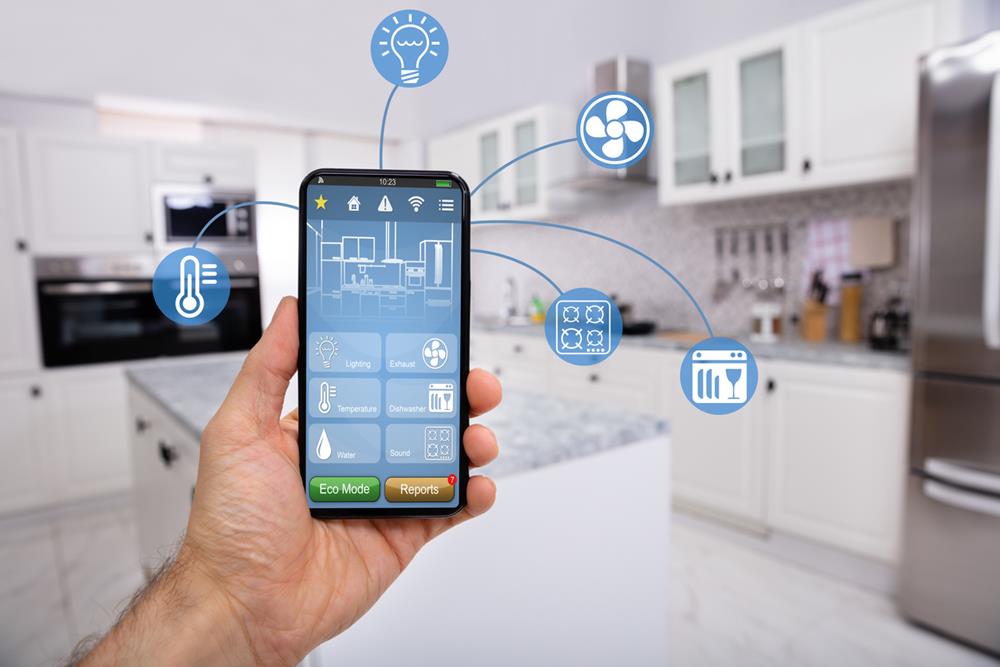
Refrigerators track internal temperature and energy consumption throughout the day, while dishwashers analyze water pressure and soil levels to adjust cleaning cycles. All of this information feeds into companion smartphone apps, which provide alerts and diagnostics if something isn’t functioning correctly.
Some appliances even receive over-the-air software updates, improving efficiency or adding new cooking modes without requiring a technician. But these digital systems focus primarily on performance and safety, not cleanliness. Grease buildup, dust accumulation, and clogged filters remain physical problems that sensors cannot fully address.
How Predictive Alerts Help You Stay Ahead of Problems
One advantage of smart appliances is their ability to warn users before small issues become major repairs. Many connected devices now include predictive maintenance alerts. These notifications appear through mobile apps when the appliance detects conditions that require attention.
For example, a dishwasher may alert you that its filter needs cleaning after several cycles. A washing machine might notify you to run a cleaning cycle to remove detergent buildup. Some refrigerators even track water filter lifespan and remind you when it’s time to replace it.
These alerts are especially helpful because they reflect how the appliance is actually being used. A dishwasher that runs daily will require more frequent maintenance than one used only occasionally. By responding to these alerts quickly, homeowners can prevent small issues—like clogged filters or blocked vents—from turning into expensive mechanical failures.
Vibration, Heat, and Energy: What Your Smart Appliances Track Daily
Modern smart appliances don't just run—they continuously gather data that helps you maintain peak performance and prevent costly breakdowns. Your washer uses vibration sensors to detect load imbalances, while your dryer monitors heat levels to prevent fabric damage. Through sensor data analysis, your oven tracks cooking temperatures, alerts you to heat anomalies, and even triggers remote shut-offs when necessary.
Your refrigerator logs energy usage around the clock, and your dishwasher adjusts cycles based on soil levels and load size. These systems communicate with each other and with your smart home apps, giving you actionable usage insights. Staying informed through this daily tracking directly supports appliance longevity by catching mechanical issues before they escalate into expensive repairs.
Your Weekly Smart Appliance Maintenance Checklist
Keeping your smart appliances in peak condition doesn't require guesswork—it requires consistency. Every week, wipe down kitchen appliance surfaces, control panels, and door seals to stop grime from building up. Sanitize gaskets on your refrigerator, dishwasher, and washing machine to prevent contamination and mold growth.
Lubricate hinges on oven and refrigerator doors to maintain smooth operation and proper sealing. Check electrical cords for frays or exposed wires, and inspect water inlet hoses on washers and dishwashers for cracks or wear. Test your garbage disposal by grinding ice and flushing with hot water. Visually scan under refrigerators, washers, and dishwashers for pooling water.
These weekly steps take minimal time but considerably extend appliance lifespan and prevent costly repairs. Small leaks can develop silently over time, making it essential to address any moisture you spot before it leads to water damage or mold growth.
Monthly Smart Appliance Tasks Your Sensors Won't Catch
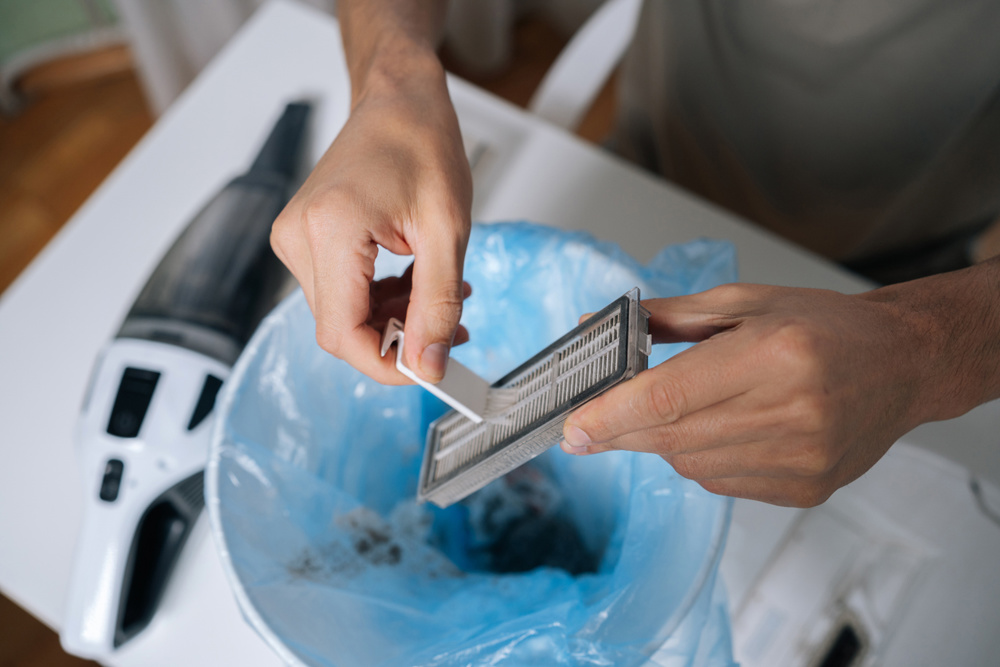
Monthly maintenance catches what your appliances' sensors simply can't detect on their own. Commit to a manual cleaning regimen that addresses hidden wear before it becomes a costly problem. For your dishwasher, run a cleaning cycle to remove mineral buildup and inspect spray arms for blockages. Check hoses on your washer every six months for wear.
Clean refrigerator coils and inspect gaskets for cracks. Calibrate your oven temperature against your manual's instructions, and inspect door seals for heat retention issues. Use advanced cleaning tools to tackle your range hood filter, detergent dispensers, and dryer door seals. Grind ice cubes and citrus peels through your garbage disposal to keep it functioning properly.
These monthly tasks protect your investment where smart technology simply falls short. Keeping detailed records of completed appliance maintenance helps you identify recurring issues and address their root causes before they escalate into expensive repairs.
Seasonal Deep Cleaning for Smart Refrigerators and Dishwashers
Seasonal deep cleaning goes beyond what your monthly routine covers, targeting the hidden grime and bacterial buildup that gradually compromise your smart refrigerator's food safety and efficiency. Addressing common fridge freezer problems like mineral deposits, clogged drains, and failing door gaskets extends your smart appliance lifespan tremendously.
| Task | Frequency |
| Full interior wipe-down | Every 3–4 months |
| Drip pan and coil cleaning | Quarterly |
| Dishwasher filter and spray arms | Seasonally |
| Door seals and gasket sanitizing | Every 3–6 months |
Empty your fridge completely, soak removable components in hot soapy water, then sanitize surfaces using a 1:2 vinegar-water solution. Dry everything thoroughly before reassembling. For your dishwasher, inspect drains, wipe interior racks, and run a manufacturer cleaning cycle quarterly. Bacteria like Listeria keep growing even below 40°F, so scheduling your seasonal deep clean before major grocery runs ensures you're restocking into a properly sanitized environment.
Why Smart Kitchens Still Need a Manual Cleaning Schedule
Despite all the sophisticated diagnostics built into modern smart kitchens, you still can't outsource physical cleaning to an algorithm. Your appliances detect internal malfunctions and send alerts, but they can't spot grease buildup, surface grime, or debris accumulation on their own.
Sensor error recovery procedures help restore monitoring functions, but they don't scrub refrigerator coils or clear clogged dishwasher filters. Backup maintenance protocols fill the gaps that digital systems leave behind, ensuring you catch loose gaskets, cracked hoses, and door seal degradation before they escalate into costly repairs.
Oven grease creates fire hazards your temperature sensors can't prevent. Bacteria accumulate in dishwashers despite automated cycles. Smart features guide maintenance decisions, but your hands perform the actual work that keeps high-tech appliances running safely and efficiently. Clogged filters reduce efficiency and drive up utility bills, making routine manual cleaning just as essential as any automated diagnostic your kitchen runs.
Cleaning Mistakes That Damage Smart Appliance Sensors and Features
Cleaning your smart appliances the wrong way can cause just as much damage as skipping maintenance altogether. Abrasive cloths and corrosive cleaning agents scratch delicate sensor surfaces, clog microphone holes in smart speakers, and degrade fingerprint sensors over time.
Excessive moisture is equally destructive—submerging components or cleaning powered-on devices risks short circuits and permanent sensor failure. Improper pressure warps or misaligns sensors in washing machines and other smart appliances, leading to inaccurate readings and error codes.
You should also watch for residue contamination. Hand lotion, food particles, and grime reduce sensor accuracy and trigger malfunctions. Don't overlook static electricity effects either—cleaning without powering down first exposes sensors to electrical shocks. Always turn devices off before wiping them down to protect their components.
The Role of Ventilation and Airflow in Appliance Health
One maintenance factor that homeowners often overlook is ventilation. Many smart appliances rely on proper airflow to regulate temperature and maintain performance. Refrigerators, ovens, and dishwashers all release heat while operating, and blocked vents can trap that heat inside the appliance.
Dust buildup around ventilation openings is a common cause of overheating. Vacuuming these areas periodically helps maintain airflow and prevents internal components from working harder than necessary. Range hoods are another important part of kitchen ventilation. Cleaning hood filters regularly prevents grease accumulation and ensures smoke and odors are removed effectively.
Maintaining good airflow not only improves appliance performance but also reduces long-term wear on motors and electrical systems.
Call a Technician or DIY: How to Decide
When your smart appliance breaks down, deciding between DIY and professional repair comes down to three factors: complexity, cost, and warranty status. DIY opportunities exist for simple tasks like replacing water filters, cleaning vents, or tightening loose handles—repairs costing under $50 with minimal risk and no specialized tools required.
Professional service requirements kick in immediately when repairs involve electrical wiring, gas lines, or complex internal components. If your appliance is still under warranty, always call a technician—DIY attempts void coverage and disqualify future warranty claims. Smart appliances with internet connectivity need specialized diagnostic tools that most homeowners don't own.
Consider the hidden costs too. Botched repairs double your expenses, and professionals complete in 45 minutes what takes you hours, making their fees genuinely worthwhile. What seems like a minor DIY mistake can trigger cascading component failures, turning a simple $20 part replacement into a costly full appliance breakdown.
Conclusion
Smart appliances have transformed modern kitchens by adding convenience, automation, and real-time diagnostics. But even the most advanced technology still depends on simple habits to stay reliable. Weekly wipe-downs, monthly inspections, and seasonal deep cleaning keep sensors accurate and components functioning properly.
These small routines prevent dust buildup, protect delicate electronics, and extend appliance lifespan. By following a consistent cleaning schedule, homeowners can ensure that their high-tech appliances continue delivering the performance and convenience they were designed for.